
We’ve all attended those medical conferences where you sit in a dimly lit hall for eight hours, watching a distant screen and scribbling notes that you’ll probably never look at again. You leave with a folder full of slides but a heart full of hesitation. When it comes to something as delicate as intimate aesthetics, “book learning” only gets you to the starting line.
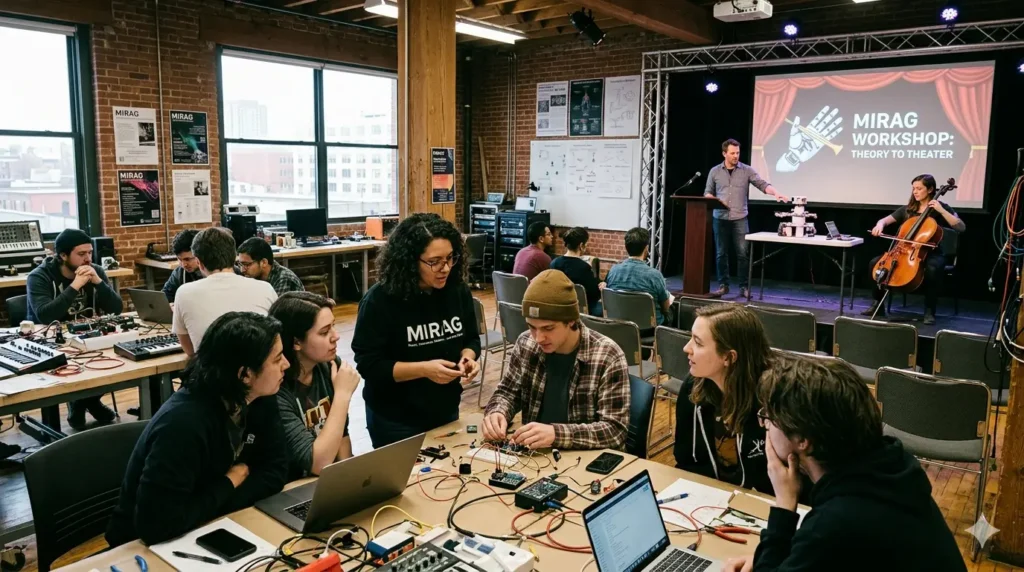
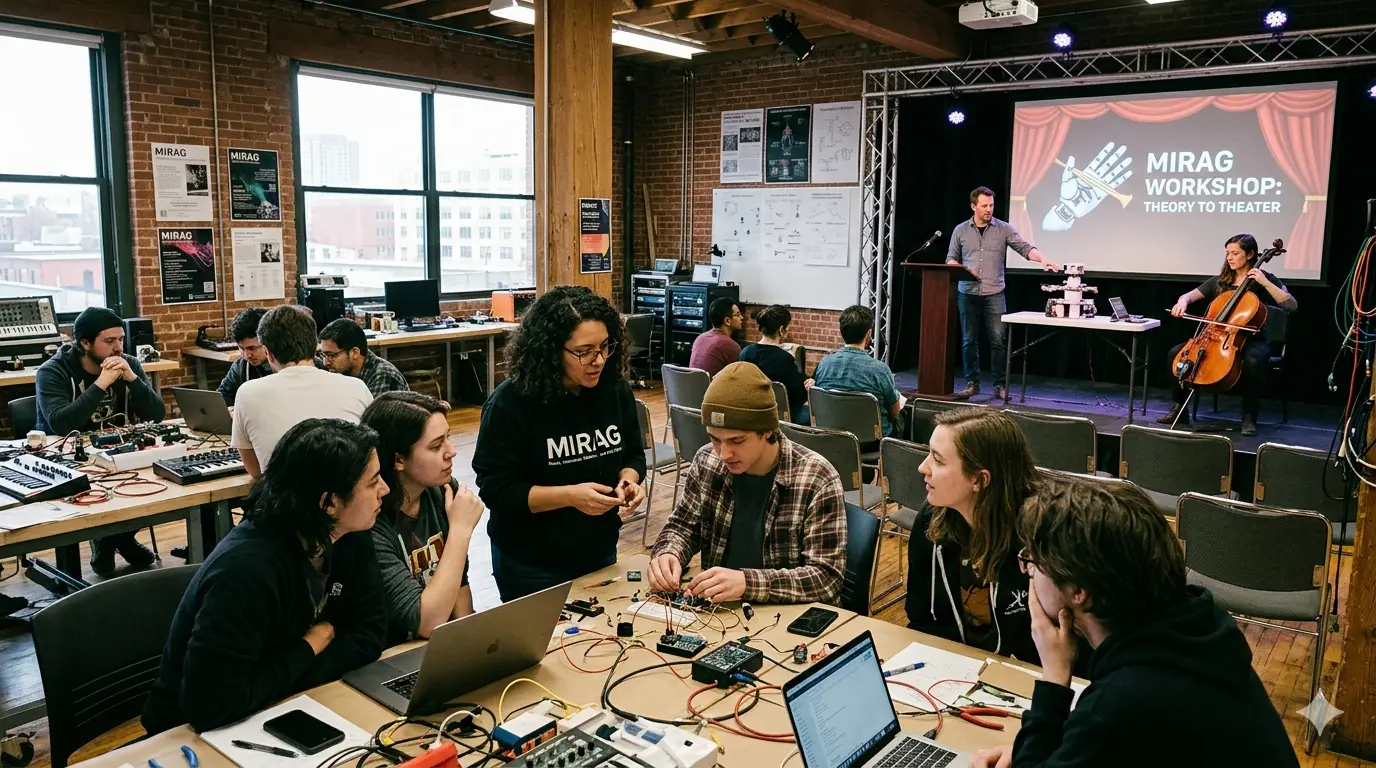
At MIRAG, we do things differently. We believe the transition from a generalist to a specialist happens in the “theater”—the operating room. If you are joining us for your first workshop, here is a glimpse into the high-intensity, hands-on journey from theoretical science to surgical mastery.
Table of Contents
1. The Morning of “Deep Deconstruction”
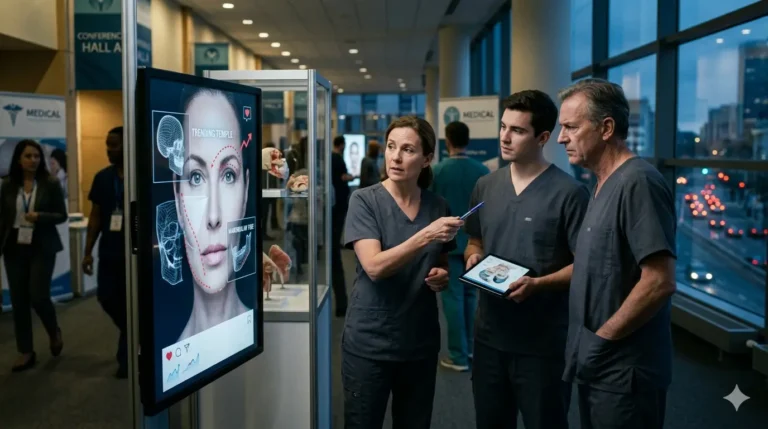
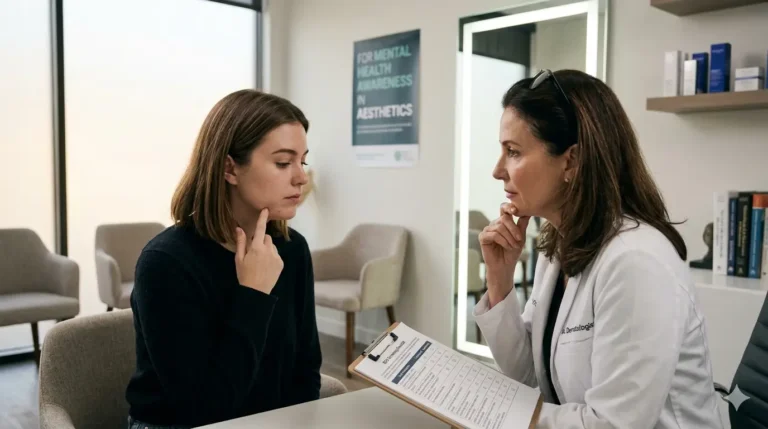
We start early, but we don’t start with boring lectures. We start with clinical deconstruction. Before you scrub in, we take the complex cases of the day and break them down. We discuss the “Why” before the “How.”
- Why choose a wedge over an edge resection for this specific labial hypertrophy?
- How does this patient’s obstetric history change our approach to her perineoplasty?
This phase bridges the gap between the anatomy you knew in residency and the aesthetic-functional anatomy required for this field.
2. Tactical Simulation: The “Dry Lab”
Before touching live tissue, you’ll spend time with high-fidelity simulators. Research shows that even 60 minutes of focused simulation significantly improves Objective Structured Assessment of Technical Skills (OSATS) scores.You’ll practice your suturing tension and energy-device handling in a risk-free environment. This isn’t just “practice”; it’s about building the muscle memory that prevents “theatre-freeze” later in the day.
3. Entering the Theater: The Live Case Experience
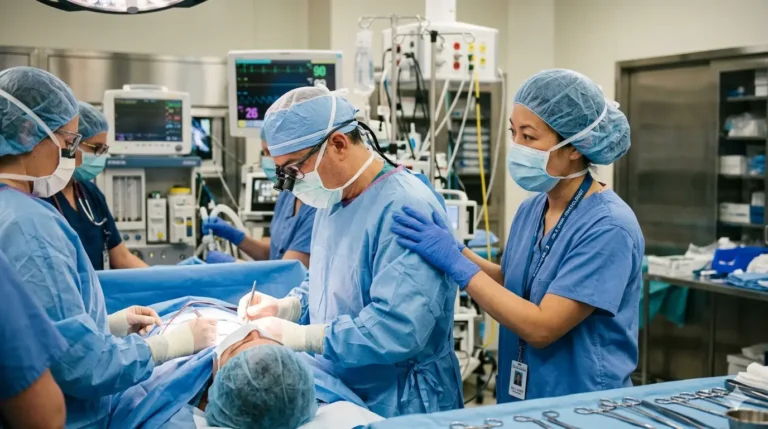
This is the heart of the MIRAG philosophy. You aren’t just a spectator; you are in the “theater.” You will observe—and in advanced modules, assist—in live surgical cases. There is a specific “tactile intelligence” that only comes from seeing how real tissue reacts to a CO2 laser or a cold blade. You’ll see how we manage real-time variations in blood supply and how we adjust our plan mid-surgery if the anatomy surprises us. This exposure is what slashes your learning curve from the typical 50 cases down to a much more manageable number.
4. The “Immediate Feedback” Loop
In a traditional residency, feedback often comes days later in a formal review. At MIRAG, feedback is instant. While you are watching or practicing, our masters are right there, correcting your hand position or your angle of entry. We use the “Good, Better, How” (GBH) framework:
- Good: What you did perfectly.
- Better: What could be refined.
- How: The exact technical step to fix it. This real-time coaching is the fastest way to build the “surgical ego” and confidence you need to go back and start these procedures in your own clinic the very next Monday.
The Bottom Line
A MIRAG workshop is designed to be a “controlled immersion.” It’s intense, it’s practical, and it’s transformative. You don’t just leave with a certificate; you leave with the “theatre-ready” confidence that only comes from learning at the side of a master.
References & Credible Sources
- PMC / National Center for Biotechnology Information (February 2026). Learning curves, safety, and experiences of a tertiary surgical center in robotic-assisted surgery. [On the efficiency gains after 10-20 monitored procedures].
- Frontiers in Medicine (January 2026). Effectiveness and implementation of simulation training in obstetric and gynecological surgery education: Meta-analysis.
- Surgical Innovation Journal (April 2025). Virtual Reality Training Improves Procedural Skills in Mannequin-Based Simulation: A Randomized Controlled Trial.
- PMC / JBI Evidence Synthesis (January 2026). Surgical Residents’ Feedback Perceptions: A Scoping Review on Gaps and Improvements. [On the necessity of immediate, face-to-face feedback].
- PMC / Surgical Education Research (March 2025). “Good, Better, How” Educational Intervention: Potential Benefits of Utilizing Feedback in General Surgery.
- IRCAD France / Gynecological Surgery Training (2025-2026). Hands-on training in managing gynecologic laparoscopic surgery complications. [On the “full immersion” workshop structure].
- ISCG 2026 / Global Masterclass Series. The Ultimate Experience in Cosmetic Gynecology: Learning as the primary surgeon.
- MEGO Dubai (May 2026). Hands-on Filler and PRP in Cosmetic Gynecology Workshop Highlights.
- Taylor & Francis / AMEE Guide No. 189 (2025). Formative assessment and feedback in medical education: A practical guide.
- Journal of Medical Internet Research (2024). Effectiveness of Virtual Simulations Versus Mannequins and Real Persons in Medical Education. [3.2]