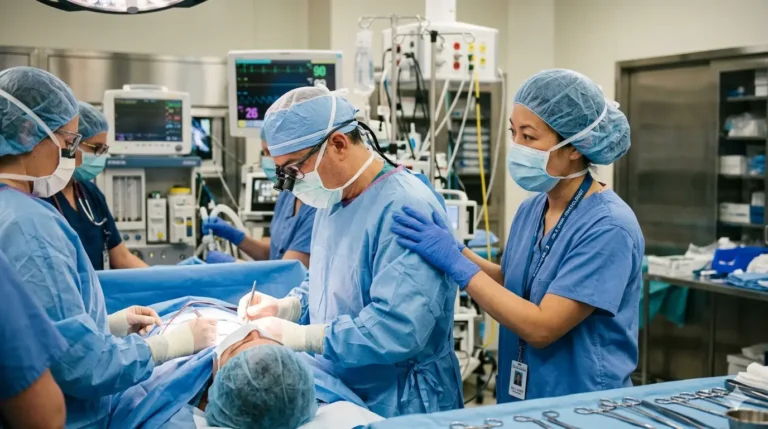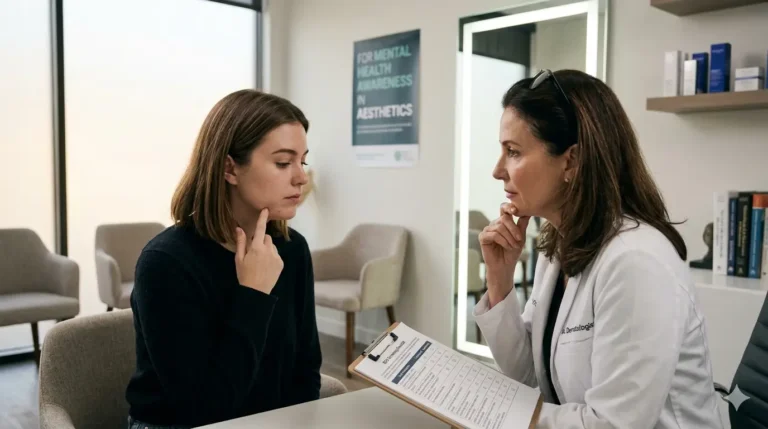
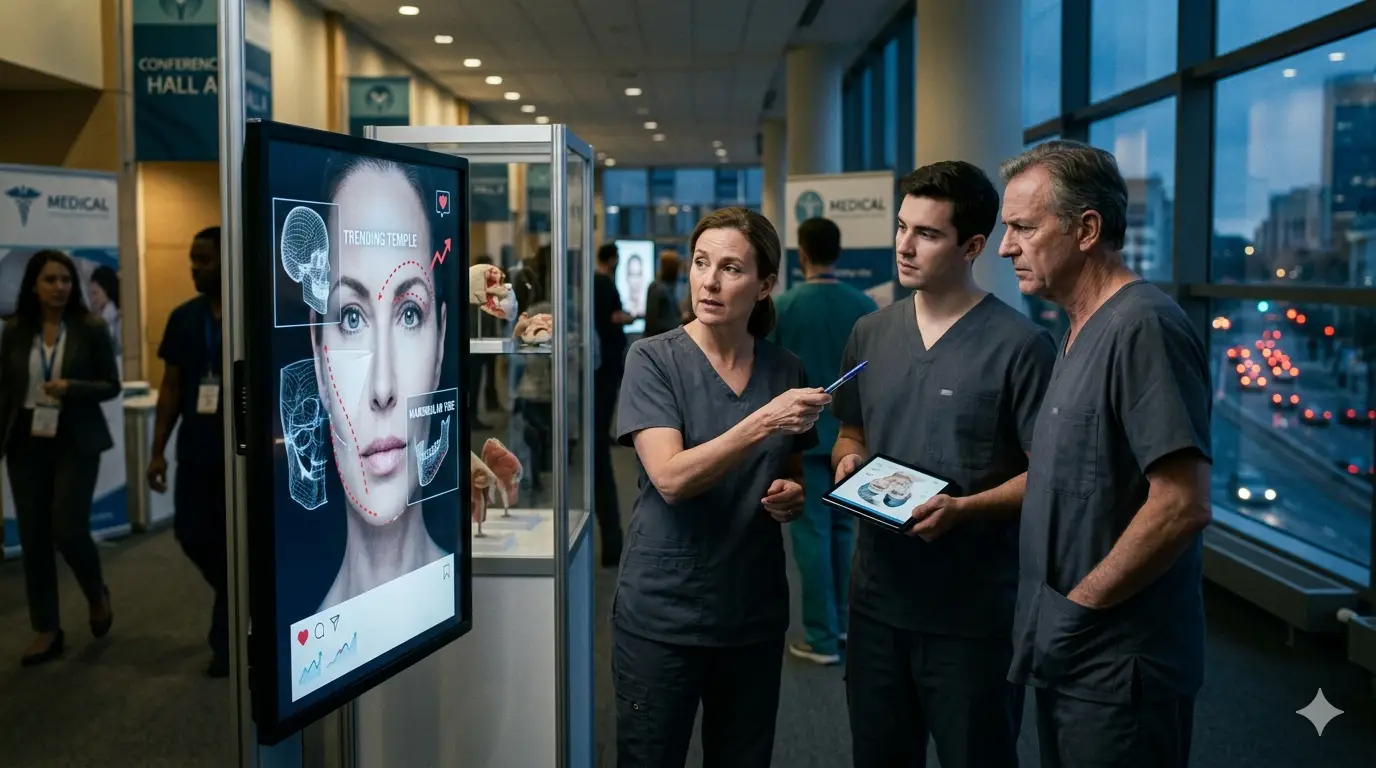

In my years of practice, I’ve seen trends come and go in general gynecology—new contraceptives, different birthing philosophies, varying screening guidelines. But the rise of Intimate Aesthetics has brought a new, much more complex influence into our consultation rooms: the viral “aesthetic.”
Whether it’s a specific “look” trending on TikTok or the filtered images of influencers, patients are increasingly coming to us asking for a genital appearance that fits a current social media narrative. As experts at MIRAG, we have to ask ourselves a difficult ethical question: Just because we can surgically create a “trending” look, should we?
Table of Contents
1. The Digital Distortion of “Normal”
Social media has created a “unilateral” view of beauty. When a patient scrolls through highly curated (and often digitally altered) images, they lose sight of the incredible anatomical diversity that exists in nature.
The ethical burden falls on us to re-educate. If a patient’s request is driven by a “trend” rather than physical discomfort or a genuine functional issue, our first job is Counseling, not Cutting. We must show them that “normal” isn’t a single point on a map; it’s a wide, healthy territory.
2. The Permanence of Surgery vs. The Fickleness of Trends
Fashion changes every season. Surgical alterations to the labia or the vaginal canal are permanent. The ethics of our field dictate that we must protect patients from making irreversible decisions based on reversible trends. If we over-resect tissue to achieve a “smooth” look that is popular today, that patient may face functional consequences—like chronic dryness or loss of protective barriers—for decades after that trend has disappeared. At MIRAG, we advocate for Anatomical Preservation over “Designer” outcomes.
3. Avoiding the “Commoditization” of the Pelvis
When surgery is marketed like a consumer product—with “Before & After” galleries that look like a catalog—we risk commoditizing a woman’s body. Ethical practice means treating every case as a unique medical necessity. We must resist the urge to offer “package deals” or “trendy names” for procedures that are, in reality, serious surgical interventions. A MIRAG-certified specialist knows that a labiaplasty isn’t a “luxury purchase”; it’s a clinical decision that requires a deep understanding of the patient’s long-term reproductive and sexual health.
4. Screening for the “External Drive”
One of the most important ethical hurdles is determining who the patient is doing this for. If the drive is entirely external—to look like an image on a screen or to satisfy a partner’s preference—the risk of post-operative regret is exponentially higher. We draw the line at “Social Validation Surgery.” If the patient’s psychological well-being is tied to a digital trend, the solution isn’t a scalpel; it’s a conversation about self-image and, often, a referral to a mental health professional.
The Bottom Line
In 2026, the loudest voice in the room is often the one on the patient’s phone. Our job is to be the voice of Reason, Science, and Ethics. We must be the guardians of the “Functional Truth,” ensuring that we never sacrifice a patient’s biological integrity at the altar of a temporary digital trend.
At MIRAG, we don’t just teach you how to achieve an aesthetic result; we teach you how to have the ethical backbone to protect your patient from the “trend of the week.”
References & Credible Sources
- Clinical Ethics Committee. (February 2026). The Impact of Social Media Trends on Elective Aesthetic Procedures.
- PMC / National Library of Medicine. (2025). Influence of Social Media on Genital Self-Image and the Request for Cosmetic Gynaecology.
- Journal of Clinical Medicine. (2026). Long-term Patient Satisfaction vs. Socio-Cultural Trends in Aesthetic Surgery.
- PMC / Gynecoplastic Surgery. (January 2026). Aesthetic Functional & Regenerative (AFR) Gynecology: Ethical Guidelines for the Modern Practitioner.
- GLOWM – The Global Library of Women’s Medicine. (2025). Professionalism and Ethics in Women’s Health: Managing Patient Expectations in the Digital Age.
- Cleveland Clinic / Ethics and Professionalism. (December 2025). The Physician’s Role in Countering Misinformation in Aesthetic Medicine.
- MDPI – Cosmetics Journal. (February 2026). The “Influencer Effect”: Quantifying the Rise in Aesthetic Requests Among 18-34 Year Olds.
- ACOG / American College of Obstetricians and Gynecologists. (2024 Reaffirmed). Committee Opinion No. 795: Ethical Considerations in Elective Female Genital Cosmetic Surgery.
- Journal of Clinical & Medical Surgery. (2025). Patient Selection and the Psychology of Trending Aesthetics.
- The Lancet (2025). Regulating the Narrative: The Ethics of Medical Marketing on Social Media Platforms.