

As an expert in aesthetic and functional gynecology, the most significant barrier I face isn’t a surgical complication or a lack of technology—it’s the wall of silence. In 2026, despite the digital explosion of health information, the word “vagina” is still whispered in many Indian households.

When you become MIRAG-certified, you aren’t just a surgeon; you are a pioneer in breaking these taboos. Normalizing these conversations is the first step toward better patient outcomes and a more empowered practice. Here is how we change the narrative:-
Table of Contents
1. Language Matters: Clinical but Accessible
One of the easiest ways to strip away “shame” is to use accurate, clinical terminology with a calm, matter-of-fact tone. When we use euphemisms like “down there” or “private parts,” we subconsciously reinforce the idea that these areas are something to be hidden or embarrassed about.
In my practice, I always refer to the Vulva, Labia, and Perineum by their medical names. By treating these terms with the same clinical respect we give to “heart” or “lungs,” we give the patient permission to speak about their bodies without blushing.
2. The “Normalization” Hook
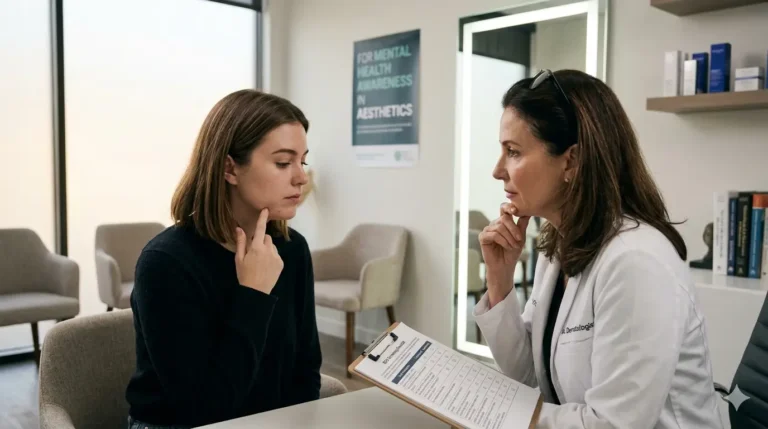
Patients often feel that their concerns—be it laxity, dryness, or aesthetic dissatisfaction—are unique “flaws” that no one else has. Your role is to normalize their experience through Peer Validation.
I often start by saying: “Many women I see after childbirth experience exactly what you are describing…” or “It is very common for women in menopause to notice these changes.” When a patient realizes they aren’t “broken” but are part of a larger group of women seeking functional wellness, the taboo begins to lift.
3. Integrating Wellness into General Check-ups
Don’t wait for the patient to bring up intimate concerns. They might never do it. Instead, integrate “Intimate Wellness” questions into your routine history-taking. Ask about:
- Comfort during intimacy: “Are you experiencing any dryness or discomfort during sex?”
- Physical confidence: “Is there anything about the functional or aesthetic health of your intimate area that you’d like to improve?”
By asking the question, you open a “Safe Door.” Even if they say “no” today, they now know that you are a doctor they can talk to when they are ready.
4. Digital Education as a Stigma-Breaker
In 2026, the battle against taboo is fought on social media and through your clinic’s website. Ethical marketing—what we at MIRAG call “Education-First Marketing”—is key.
Share evidence-based content about the Vaginal Microbiome, the science of Labiaplasty, or the benefits of EBDs (Energy-Based Devices) for urinary incontinence. When a woman sees a reputable doctor talking openly about these topics on her phone, it validates her own thoughts and encourages her to seek professional help.
The Bottom Line
Normalizing intimate wellness isn’t just about “selling” more procedures; it’s about providing Comprehensive Care. A MIRAG-certified expert understands that a woman’s intimate health is central to her overall quality of life. By leading with empathy, science, and open dialogue, you aren’t just a doctor—you’re an advocate for a healthier, more confident generation of women.
References & Credible Sources
- American Psychological Association (APA). (2025). Normalizing Sexual Health in Medical Care: A Practitioner’s Guide.
- Patient Education and Counseling (Journal). (2025). Communication Practices in Sexual Health Conversations: A Systematic Review.
- Contemporary OB/GYN. (February 2026). Practical Marketing Strategies: Reframing Marketing as Ethical Patient Education.
- Max Healthcare Blog. (January 2026). Breaking the Silence: Cultural Stigma and Reproductive Health Awareness.
- Aesthetic Medicine India. (March 2026). Reshaping Perceptions: Transparency and Openness in Cosmetic Procedures.
- Indian Express / Wellness. (March 2026). The Zero Trimester: Generative Shifts in Indian Women’s Health Consciousness.
- Dr. Shraddha Goel / Intimate Health Trends. (2025). Vaginal Health Trends in India 2025: From Taboos to Technology.
- OHSU Women’s Institute. (2026). The Care and Keeping of the Vagina: Normalizing Variations and Discharge.
- PMC / Journal of Reproductive Health. (2025). Socio-Cultural Taboos and their Impact on Vaginal Hygiene Practices.
- Trustwell Hospitals. (January 2026). Breaking the Silence: Why Women’s Health Conversations Should No Longer Be Taboo.